

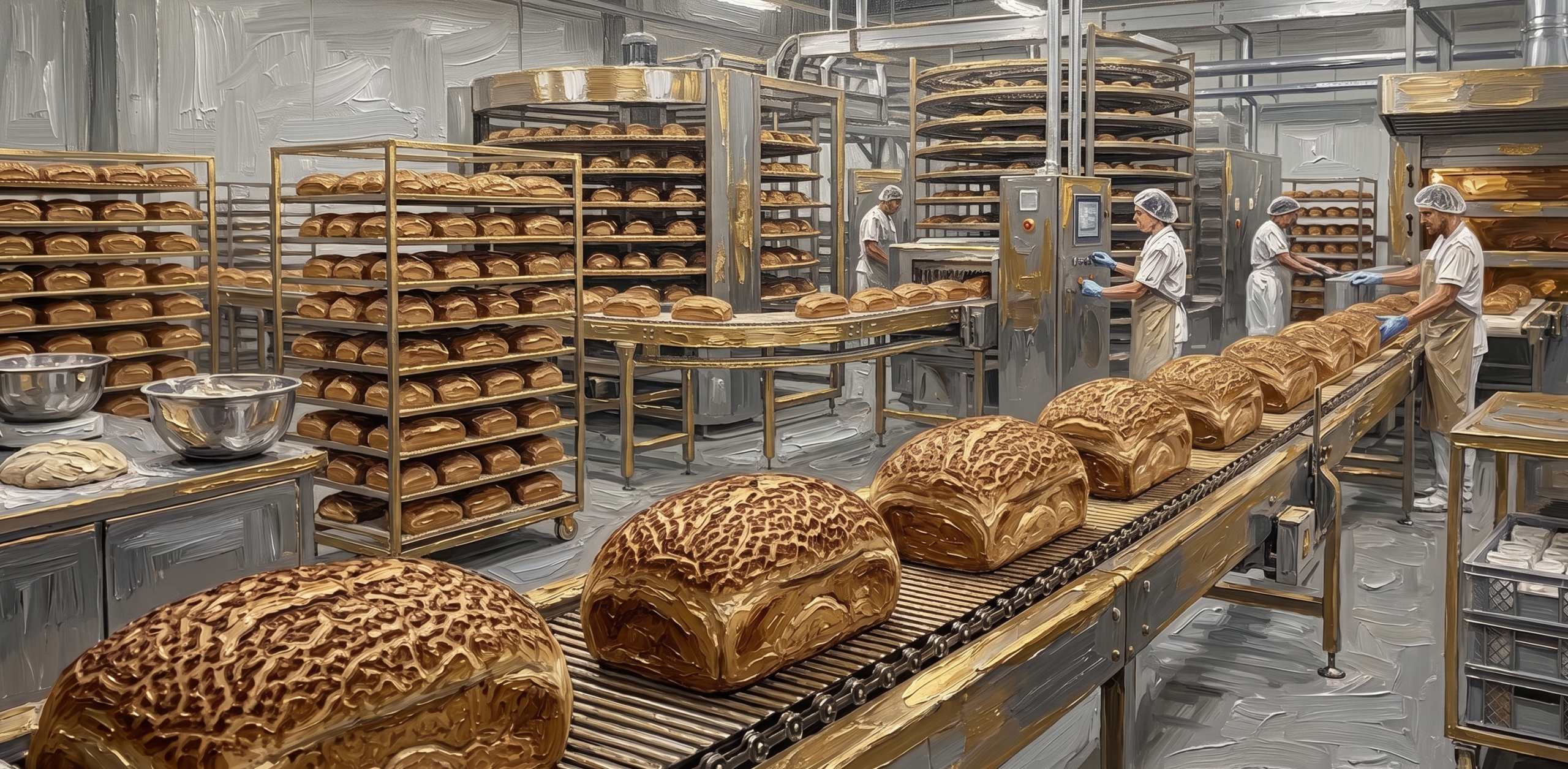
The food and beverage sector is one of the most layered areas of liability insurance. On the surface, many risks appear straightforward. In reality, they are anything but.
From raw ingredients through to manufacturing, distribution and retail, every stage introduces its own exposures. For insurance brokers, the challenge is not just placing the risk, but understanding how each part of that chain connects.
At York Underwriting, we spend a lot of time working through that detail with brokers, because in this sector, context is everything.
Why These Risks Are More Complex Than They First Appear
One of the defining characteristics of food and beverage risks is variability.
Different products, ingredients and production methods all carry different exposures. Many businesses rely on inputs from multiple suppliers, often across different countries, before those ingredients are processed and brought to market.
As Craig Elliott explains, “there’s such an eclectic mix of products, ingredients and supply sources, and when you layer in processing, machinery and people, there are a lot of points where something can go wrong.”
That “something” can range from contamination and allergen issues through to full product recalls. And importantly, the impact is not always limited to physical injury. Financial loss and reputational damage can escalate quickly, even in situations where a risk turns out to be a false alarm.
It Is Never Just One Risk, It Is the Entire Chain
What makes food and beverage particularly challenging is that liability rarely sits in one place.
A single product can pass through multiple hands, from farm to processor, to distributor, to retailer or hospitality venue. Each stage introduces a different type of exposure, and in the event of a claim, determining where responsibility sits becomes critical.
Craig puts it simply: “you’re not just insuring a product, you’re looking at the entire journey of that product and asking where something could have gone wrong, and who is ultimately responsible for it.”
This is where many placements become more complex than expected. A claim may involve multiple parties, with insurers effectively “arguing the toss” over where liability should fall.
Where Brokers Feel the Pressure
For brokers, the challenge is often less about access to markets and more about clarity.
Understanding exposures across the chain is not always straightforward. Gaps can emerge where certain risks are not picked up under standard liability policies, particularly when it comes to areas like product recall or errors linked to labelling and advice.
At the same time, the way the sector is evolving is adding another layer.
More products are now manufactured overseas and imported into Australia. While this improves cost efficiency, it can reduce visibility over quality control. Despite that, local distributors can still be held responsible under Australian legislation, which creates additional exposure that is not always immediately obvious.
There has also been a noticeable incSrease in smaller, bespoke manufacturers. These businesses are often producing goods from home or small facilities, with limited formal risk management processes in place. They are smaller risks individually, but higher in volume and often more difficult to assess quickly.
What Makes a Submission Easier to Work With
From an underwriting perspective, clarity upfront makes a significant difference.
Submissions tend to become more complex when there is limited information about where products are sourced, how they are handled, or where they are being distributed. Import and export activity, labour arrangements and quality control processes all play a role in how exposure is assessed.
As Craig notes, “the more complete the picture is at the start, the easier it is to assess. It might take a bit more work upfront, but it saves a lot of back and forth later.”
For brokers, that often translates to faster turnaround times and more confident conversations with clients.
How York Underwriting Works With Brokers in This Space
At York, our approach is built around understanding how the risk actually operates, not just how it is described on paper.
We focus on a few key questions:
- Where is the product coming from
- How is it being processed or handled?
- Where is it going?
- What contractual arrangements and indemnity provisions exist?
- And what is the worst-case scenario if something goes wrong?
These are simple questions on the surface, but they unlock a much clearer view of exposure.
Craig describes the role as “not just offering cover, but helping brokers understand what might not be obvious at first glance, so they can have better conversations with their clients before anything goes wrong.”
That includes identifying where standard policies may fall short and where additional considerations, such as recall or other extensions, may need to be explored.
A More Considered Approach for SME Clients
In the larger end of the market, some insurers offer highly structured, multi-line solutions for food and beverage businesses.
However, those solutions are often not accessible or commercially viable for smaller clients.
This is where we see an opportunity to do things differently.
Rather than relying on standardised, off-the-shelf products, we take a more tailored view of each risk. The goal is to provide SME clients with a level of consideration that is typically reserved for larger accounts, without adding unnecessary complexity.
“A lot of smaller clients end up with generic cover that isn’t really designed for their risk. What we’re trying to do is bring a more tailored approach into that space, so brokers have something more relevant to put in front of their clients,” Craig explains.
Understanding How Liability Is Triggered
A key part of structuring cover in this sector is understanding how different parts of a liability policy respond.
Public liability relates to injury or damage caused by the actions of the insured. Product liability is triggered when the product itself causes injury or damage.
In food and beverage, many claims sit within product liability. This includes contamination, defective ingredients, or products that form part of another item and cause damage further down the line.
Getting this distinction right is critical to ensuring the policy responds as expected.
Bringing Clarity to a Complex Sector
Food and beverage liability is not defined by one risk. It is shaped by a chain of decisions, processes and responsibilities that all interact.
At York Underwriting, we work with brokers to break that complexity down into something more practical. That means asking the right questions, identifying where exposure sits, and structuring cover that reflects how the business actually operates.
Because in this sector, the detail matters. And the more clearly it is understood upfront, the better the outcome for everyone involved.
York Underwriting is Built for Brokers and backed by experience.